

Why it matters.
Violence against women and girls, and harmful traditional practices, are kept hidden by silence. Communities can break it.
In the Somali Region, as across Ethiopia, women and girls face gender-based violence, including sexual violence, and harmful traditional practices such as female genital mutilation and child marriage.
Drought and displacement raise the risks. Survivors often face stigma, and services are few and far away, especially outside the towns. Change lasts when communities themselves, including men, elders and religious leaders, decide it must.
What it does.
Safe Communities will put prevention in the hands of trusted women and men in each kebele, and connect survivors to help.
Awareness sessions
Community sessions on violence against women and girls and on harmful traditional practices, led by women and men from the community.
Community champions
Trained champions in each kebele who lead conversations, challenge harmful norms and support survivors to seek help.
Referral links
Agreed routes to health, legal and psychosocial services, so that survivors know where to turn.
Who it is for.
Women, girls, men and boys in each kebele, with elders, religious leaders and women’s groups. We work with survivors’ consent and safety first, and never publish case details.
Every programme carries our commitments: gender equality, disability inclusion, conflict sensitivity, a climate lens and digital-first delivery.
Where it starts.
Safe Communities grows from CAYO’s prevention project with the International Solidarity Foundation, completed in October 2026.
Community-Led Prevention of Violence Against Women and Girls and Harmful Traditional Practices
Community awareness sessions and training on violence against women and girls and on harmful traditional practices.
Partner International Solidarity Foundation (ISF) · Implementer CAYO · Ended October 2026
Protection in our programme team
CAYO’s programme structure includes a Protection project officer, and our accountability standards set out how anyone can raise a concern about our staff or volunteers.
How we will measure.
We will measure change in attitudes and in help-seeking, and protect everyone who shares their story.
Kebeles covered
Kebeles with trained community champions.
Attitudes and norms
Community views on violence and harmful practices, surveyed before and after sessions.
Referrals
Whether survivors who seek help reach the services they need, recorded without identifying anyone.
Safeguarding
No names, faces, places or case details of survivors published, and every concern handled under our safeguarding standards.
Where this leads next.
Our programmes are built to connect, so that a young person can move from one to the next without starting over.
Caafimaad Youth
Health information and care that young people trust and can reach.
Read more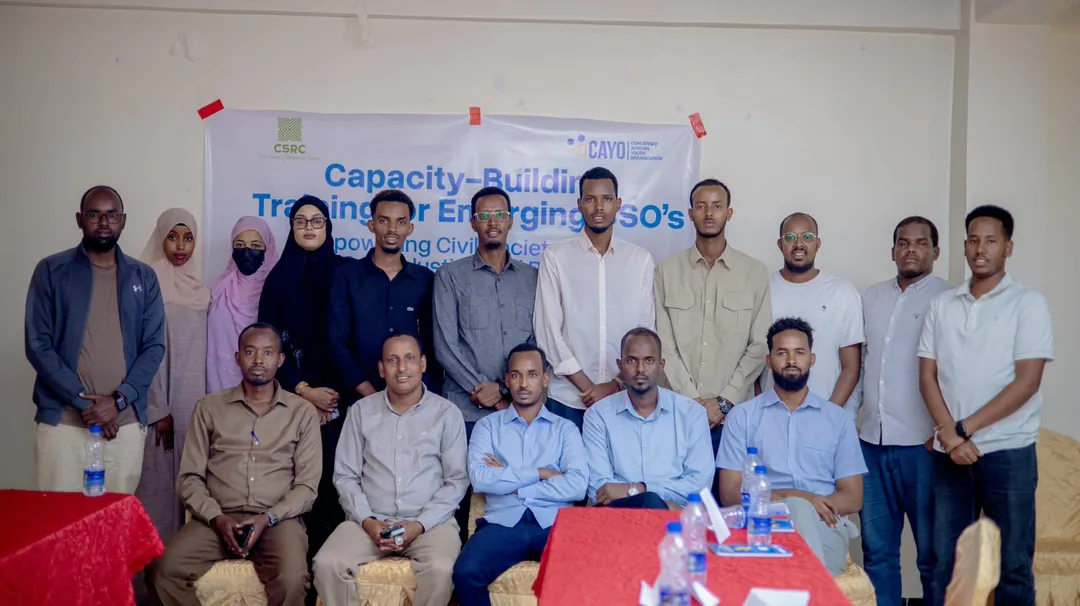
Civil Society and Protection
Local organizations, especially those led by youth and women, strong enough to protect the people they serve.
Read moreNabad Generation
Young people at the table where peace is kept, working alongside the elders who keep it.
Read more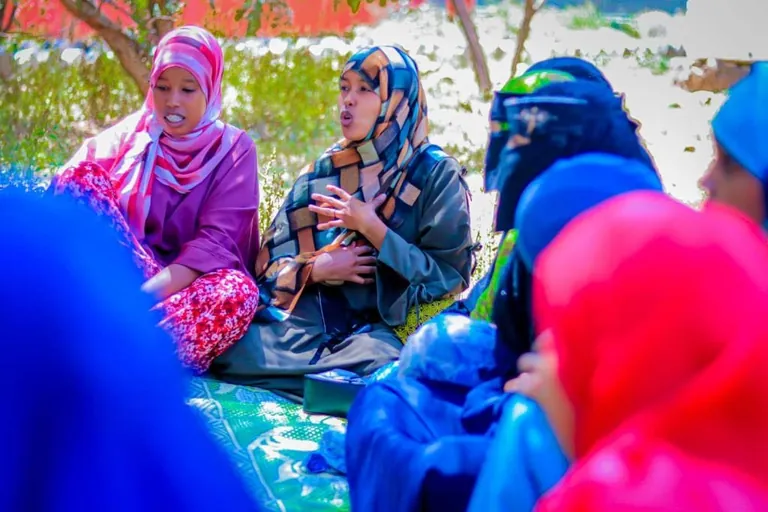
Partner on Safe Communities.
Fund community champions in more kebeles, strengthen referral services, or bring your expertise in survivor-centred care.